
As discussions on the future EU budget continue, why do you believe Cohesion Policy remains essential for regional development and for reducing inequalities across Europe?
Cohesion is simply the essence of the quality of life we want for our citizens. It represents the capacity of every single territory to express its full potential, offering real development opportunities directly where people live. At a time when Europe must heavily focus on industrial competitiveness and productive capacity, we cannot afford an unbalanced growth model. If we only invest in already hyper-competitive areas or a few "frontier" industries, we will worsen inequalities, fuelling the discontent further. Cohesion policy isn't just a tool to curb the divide across regions, it's the foundation that allows every community to develop. Cohesion is not a charity policy or a secondary spending line; it is the pre-requisite for sustainable economic growth. Competitiveness and cohesion are two sides of the same coin: you cannot have a strong, resilient single market if you leave whole regions and regional SME ecosystems behind. True European strength lies in our territorial diversity, and ensuring balanced growth across the entire Union is the only way to build a prosperous and politically stable Europe where geography no longer determines a citizen's destiny. Many organisations, mayors, regions, NGOs are now raising their voice to maintain cohesion alive in the next EU budget, I hope that head of states will listen.
You often stress that cohesion is not only about infrastructure and investment, but also about people. What role should Cohesion Policy play in building a stronger Social Europe that leaves no one behind?
We strongly advocate for a "people-centred development" that puts citizens at the absolute heart of EU policies. This vision naturally requires robust infrastructure investments, as they directly determine the quality of daily life: safe roads, reliable railway connections, high-quality digital services, and modern schools and hospitals that do not collapse at the first earthquake. It also means student housing and sports facilities that enable a healthy, decent life. But a strong Social Europe is about more than physical construction; it is about active investments in human capital. The EU budget must support comprehensive training, upskilling, and reskilling. We need permanent safety nets, similar to the Support to mitigate Unemployment Risks in an Emergency ( SURE) instrument during COVID-19, to protect workers facing job losses in sectors undergoing major green and digital transitions. Furthermore, a true Social Europe must defend fundamental rights: the right to healthcare, parenthood, and parental leave. Cohesion policy must translate the European Pillar of Social Rights into concrete territorial actions, ensuring that no worker, family, or region is left behind. We are scared that the social part of cohesion, the Social Fund+ will be crippled and sacrificed or that it will be put forward without territoriality, so that it will not invest first where funds are needed the most.
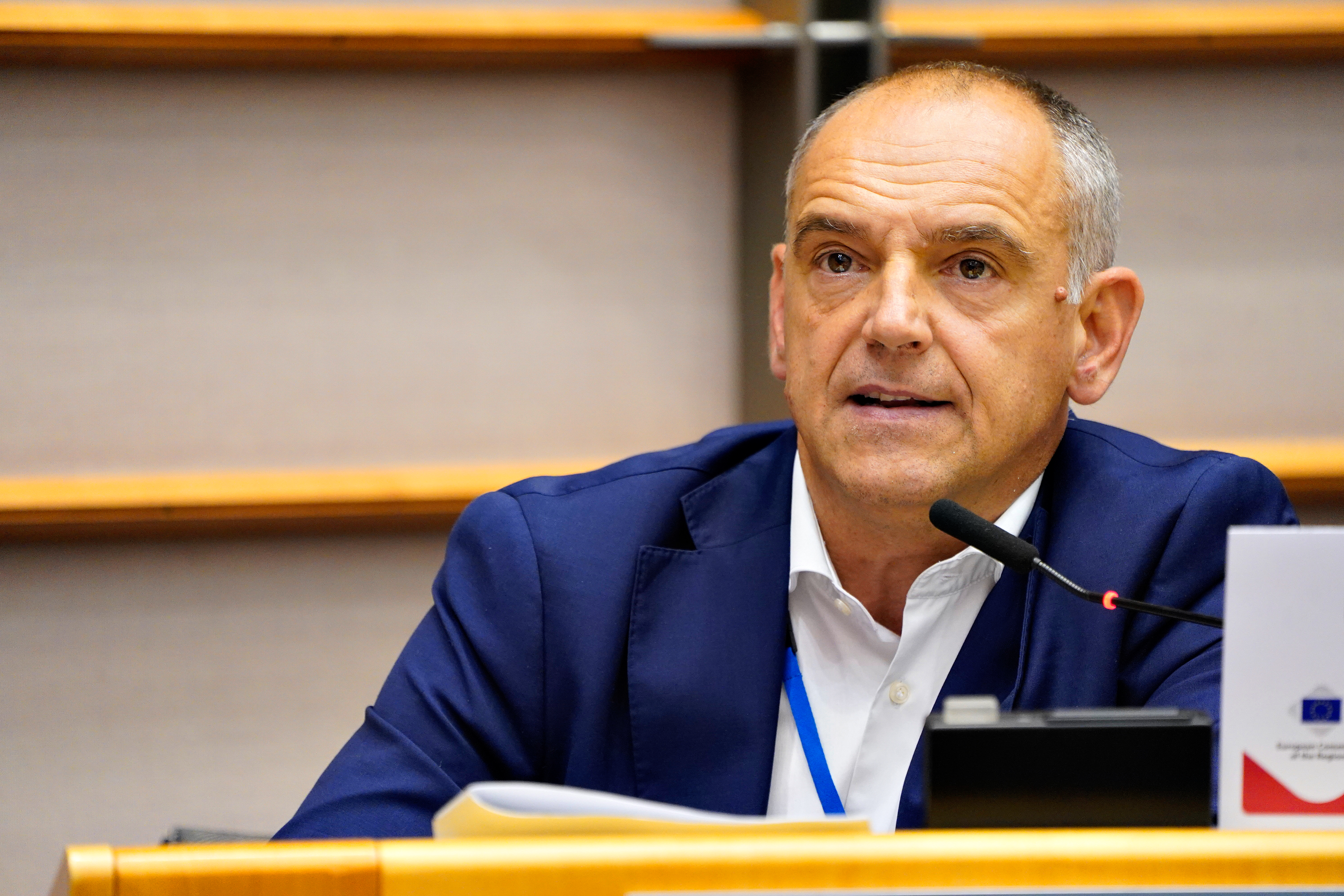
You have become a strong advocate of the “ Do No Harm to Cohesion” principle. At a time of multiple crises and competing priorities, why is it so important that every new EU initiative is assessed through a cohesion lens?
We are fighting hard to save regional policy and cohesion funds in the post-2027 EU budget, securing resources for local administrations until 2035. The Commission proposal was not good and the myopia of frugal prime ministers in the Council is not helping negotiations to move forward. Protecting cohesion funds is only part of our mission. The impact of cohesion policy will remain minimal if the rest of the EU’s economic framework actively contradicts the objective of territorial cohesion. If European industrial, innovation, and energy policies remain territorially blind, for instance by funding only a few "champions" or pre-selected winning models, the territorial divides will expand, and Euroscepticism will mount further. This is why we demand the binding integration of the "Do No Harm to Cohesion" principle across all EU instruments. Major programmes like Horizon Europe and the European Competitiveness Fund (ECF) must incorporate clear territorial metrics and indicators. If a policy generates negative asymmetric impacts or worsens regional inequalities, these territorial metrics will trigger warnings, enabling policymakers to intervene, adjust, and re-plan the investment strategies.
The EU budget must serve as an active steering tool for economic development, not an engine of division.
Photo credits banner picture © European Union / John Thys
Photo credits article picture © European Union / Fred Guerdin